
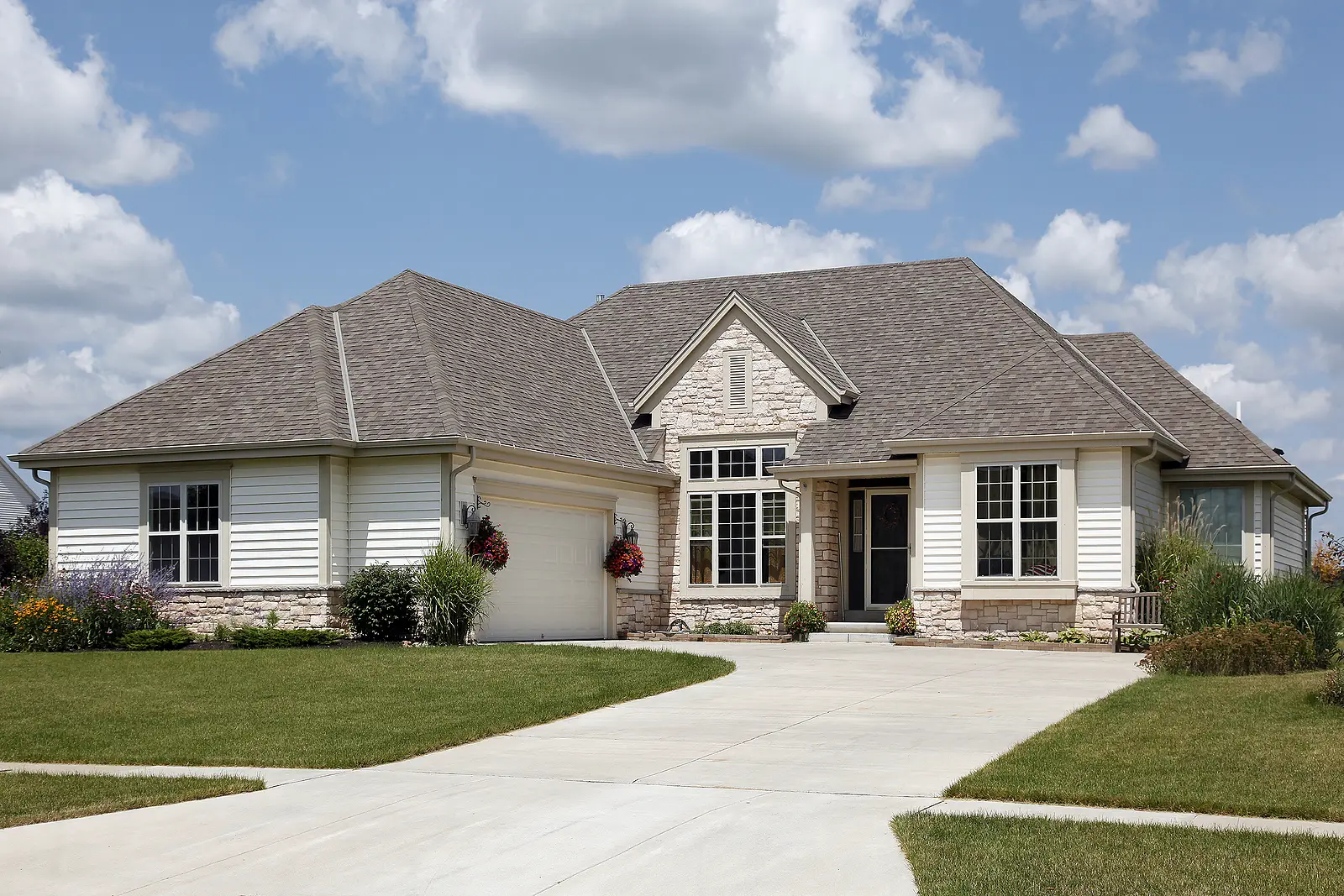
Property owners often judge success by occupancy rates and monthly rent deposits. While those measurements matter, they don't always tell the full story. A rental can stay occupied year after year while still producing less income than it could.
In a market as active as Orlando, small operational decisions can influence financial performance more than many owners realize. Evaluating property performance regularly and maintaining a well-managed rental operation can help uncover opportunities that support stronger results.
This article examines common factors that can reduce rental income over time and highlights practical ways Orlando property owners can improve long-term performance.
Key Takeaways
- Stable occupancy does not always indicate maximum profitability.
- Deferred maintenance can increase long-term ownership costs.
- Property updates play an important role in market competitiveness.
- Consistent lease administration helps support stronger cash flow.
- Regular property reviews help identify areas for improvement.
Rental Income Can Fall Behind Market Potential
Many owners prioritize tenant retention and avoid adjusting rental rates. While retaining quality residents is important, long periods without pricing reviews can affect profitability.
Market conditions change continuously. A rental rate that felt competitive several years ago may now sit well below comparable properties.
Small Gaps Become Meaningful Over Time
Even modest differences between market rent and collected rent can create significant revenue loss across multiple lease cycles.
At the same time, ownership costs continue rising through insurance increases, maintenance expenses, vendor pricing changes, and property taxes.
Owners who periodically review current market conditions often gain valuable insight. A professional property income evaluation can help determine whether rental pricing still reflects Orlando market realities.
Consistent Adjustments Support Long-Term Stability
Smaller annual rent increases are often easier for residents to manage than larger adjustments after years without changes. This approach helps maintain predictable revenue while supporting tenant retention.
Good Tenants Don't Always Report Small Problems
Long-term residents often create stability, but they can unintentionally contribute to higher future repair costs.
Some tenants delay reporting issues because they seem minor. Others simply adapt to gradual changes in property performance.
Minor Maintenance Issues Can Expand Quickly
Small plumbing leaks, moisture concerns, or ventilation problems often worsen when left unresolved.
What begins as a minor repair can eventually require more extensive work involving flooring, drywall, cabinetry, or structural materials.
Equipment Often Shows Early Warning Signs
Heating systems, air conditioning units, water heaters, and appliances rarely fail without warning. Reduced efficiency, unusual sounds, and inconsistent performance often signal developing issues.
Maintaining visibility through organized reporting and reliable owner management tools helps property owners track maintenance patterns and identify recurring concerns.
Routine Inspections Provide Valuable Insight
Regular inspections allow owners to evaluate property condition beyond tenant feedback. They also create opportunities to address concerns before repair costs increase.
Delayed Improvements Can Affect Competitiveness
A property that remains occupied for years may receive fewer updates than it needs.
While long-term occupancy creates stability, it can also reduce urgency around property improvements.
Today's Renters Compare More Than Ever
Prospective residents often review multiple listings before making a decision. Even small differences in presentation and functionality can influence their choices.
Features that frequently attract attention include:
- Updated flooring
- Modern fixtures
- Energy-efficient improvements
- Fresh paint and finishes
- Improved storage solutions
Property owners evaluating future investments may find value in reviewing tenant satisfaction strategies, especially when considering upgrades that improve resident experience.
Strategic Improvements Often Deliver Better Returns
Not every improvement project requires a major renovation budget. Incremental upgrades completed over time can help properties remain competitive while controlling costs.
According to a PwC consumer study, 32% of customers stop doing business with a company after a poor experience. While rental housing differs from traditional retail, the finding highlights the importance of meeting expectations.
Property Performance Requires More Than Low Complaint Levels
Many landlords assume a lack of tenant complaints means everything is functioning well. In reality, fewer complaints don't always indicate better property performance.
Silence Doesn't Always Mean Satisfaction
Some residents tolerate minor issues rather than reporting them. Others may postpone maintenance requests because they view them as inconveniences.
Over time, these situations can lead to higher repair costs and declining property condition.
Owners who understand the concerns discussed in maintenance oversight insights are often better positioned to identify potential problems before they become expensive.
Data Creates Better Decisions
Maintenance history, inspection records, renewal trends, and operating expenses provide a more complete picture than tenant feedback alone.
Evaluating multiple performance indicators helps owners make informed decisions about future investments.
Seasonal Market Changes Influence Results
Rental demand fluctuates throughout the year, and those fluctuations can affect leasing success, vacancy rates, and overall income.
Timing Can Affect Revenue
Different periods bring different market conditions. Leasing activity may strengthen during one season and slow down during another.
Potential consequences include:
- Extended vacancy periods
- Reduced applicant activity
- Increased marketing expenses
- Slower lease-up times
Owners who stay aware of changing conditions often perform better over time. Monitoring seasonal rental trends can help support stronger planning decisions.
Market Awareness Supports Better Outcomes
Tracking local rental activity allows owners to adjust strategies proactively rather than reacting after challenges arise.
Research from the American Customer Satisfaction Index found lodging providers achieved an average score of 81 out of 100 for in-room amenities. While residential housing differs from hospitality, renters continue placing value on comfort, convenience, and quality features.
Annual Reviews Can Reveal Opportunities
Many revenue-related issues develop gradually rather than all at once.
Without routine evaluations, these concerns can continue affecting performance for years.
Areas Worth Reviewing Each Year
Property owners should regularly evaluate:
- Rental pricing
- Property condition
- Maintenance expenses
- Lease compliance
- Market competitiveness
These reviews often uncover opportunities to improve efficiency and strengthen returns.
Better Information Leads to Better Results
Accurate reporting and objective evaluations help owners make smarter decisions. Small operational improvements can often produce meaningful long-term benefits.
FAQs about Hidden Rental Revenue Loss in Orlando, FL
How can an occupied rental still underperform financially?
Occupancy alone does not determine profitability. Factors such as below-market rent, increasing expenses, delayed upgrades, and maintenance inefficiencies can reduce overall returns even when a property remains consistently occupied.
Why should landlords review rental rates regularly?
Rental markets change frequently. Reviewing pricing annually helps ensure rental income remains aligned with local conditions while supporting the property's ability to cover increasing ownership and operating costs.
Can property condition influence future rental income?
Yes. Property condition affects tenant retention, market competitiveness, and future pricing opportunities. Well-maintained homes generally attract stronger interest and support more favorable rental performance over time.
What makes routine inspections valuable for rental owners?
Routine inspections provide insight into maintenance concerns, tenant compliance, and overall property condition. Identifying issues early often helps reduce repair expenses and supports long-term asset preservation.
How often should rental performance be evaluated?
Most owners benefit from conducting a detailed review at least once each year. Annual evaluations help identify trends, improve planning decisions, and reveal opportunities for stronger financial performance.
A Smarter Approach to Protecting Rental Income
Revenue challenges often develop gradually through pricing decisions, maintenance delays, postponed improvements, and shifting market conditions. Addressing these areas consistently helps support stronger property performance and better long-term results.
At PMI Metro Lakes, we help Orlando property owners make informed decisions through professional oversight, detailed reporting, and proven residential management solutions. When you're ready to improve income consistency and operational efficiency, simplify dependable rent collection with a system designed to support predictable cash flow and a more rewarding ownership experience.
